Learning to Connect
Visiting an outdoor education centre is an enriching experience students never forget. It is an opportunity to be immersed in nature and experience science in ways that aren’t possible in the classroom. As amazing as the experience at a centre is, for those who have the opportunity, they are removed from a student’s local eco-system. This maintains the disconnection between person and nature. Nature is somewhere far away, not in our school yards, home yards and community parks.
The Urban Forest School was developed to close this gap by providing the tools and resources necessary for STEAM teachers to include nature-based learning across subjects in their own school yard. Place-based learning connects students to the land they are on, allowing them to orient to their place within the eco-system.
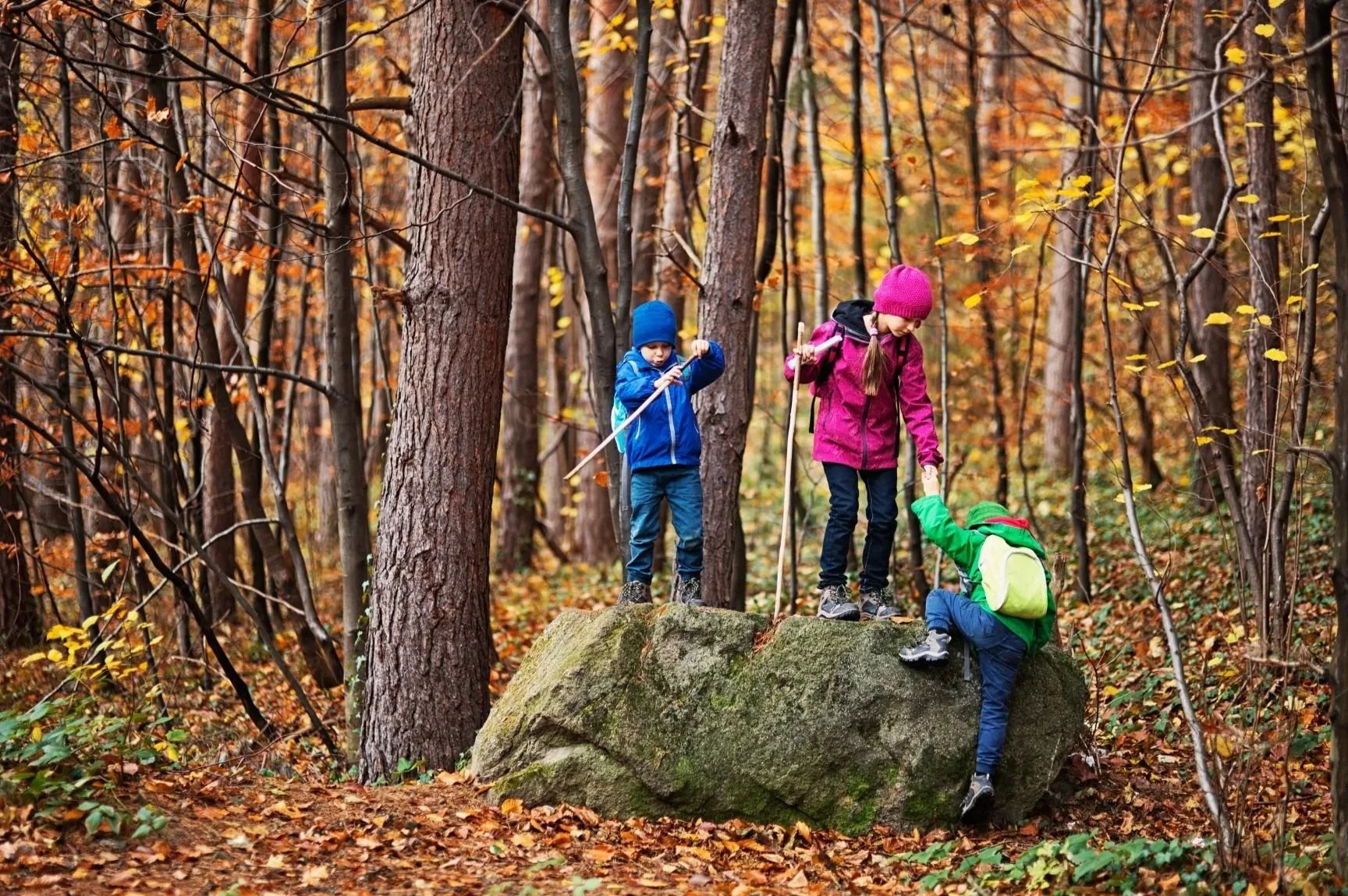
We believe children who feel connected to their community and eco-system, develop an attunement to self, others and the natural world around them.
From tying shoes to grading papers, as educators we have the opportunity to change the world one student at a time. Let’s co-create a better future for everyone using our diverse gifts to teach the stewards of tomorrow.
Mission
To provide the tools and resources for nature-based learning to be accessible to all students in their community.
Vision
To co-create a world that prioritizes and protects biodiversity, flourishing ecosystems, and equity for all.
Team Members
Nan’s Tails
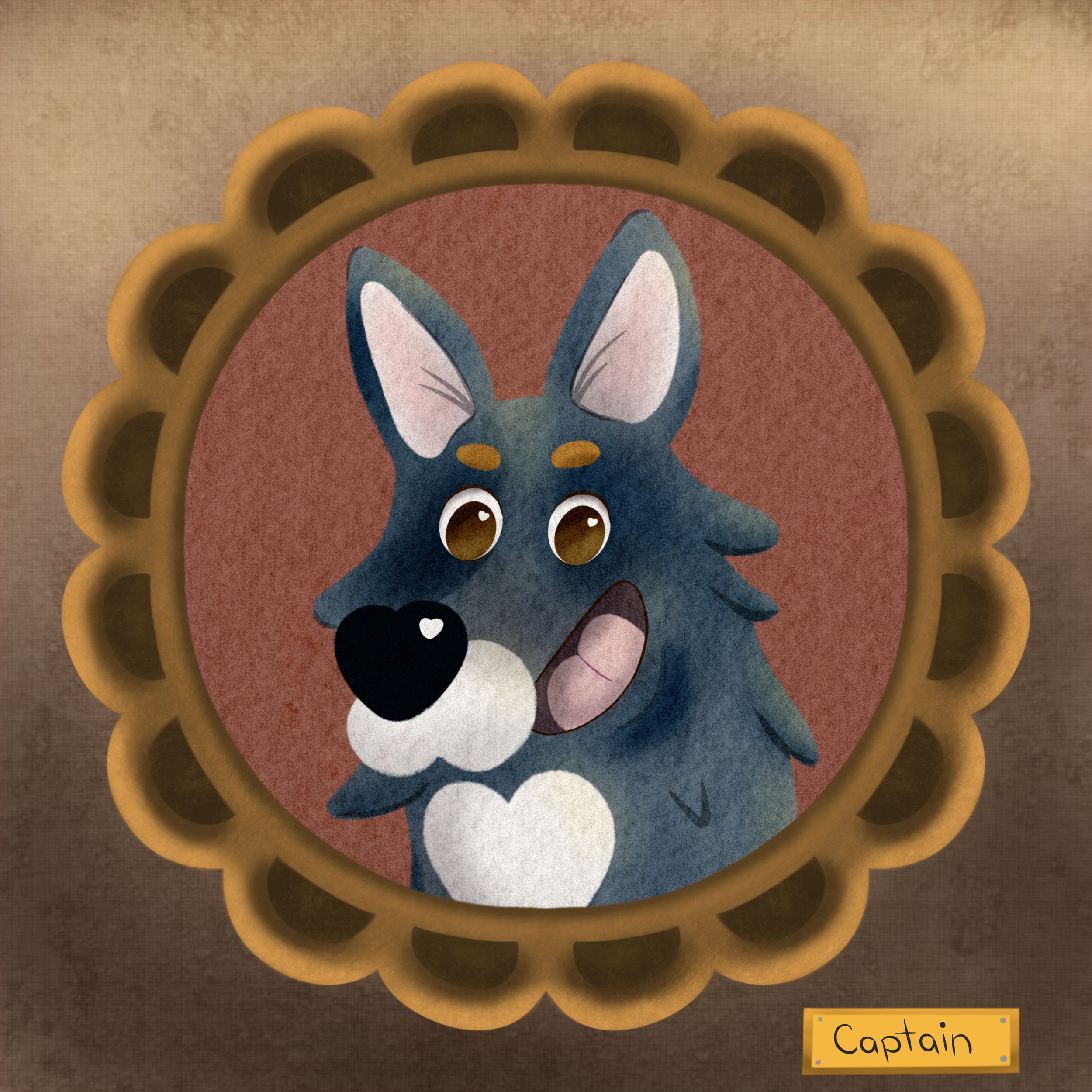
Captain
With an adventurous spirit and keen senses, Captain rapidly scouts the route ahead and manages any security issues. He specializes in the art of persuasion. Smart, quick and saucy - we all feel a little more adventurous with him by our side.
Head of Security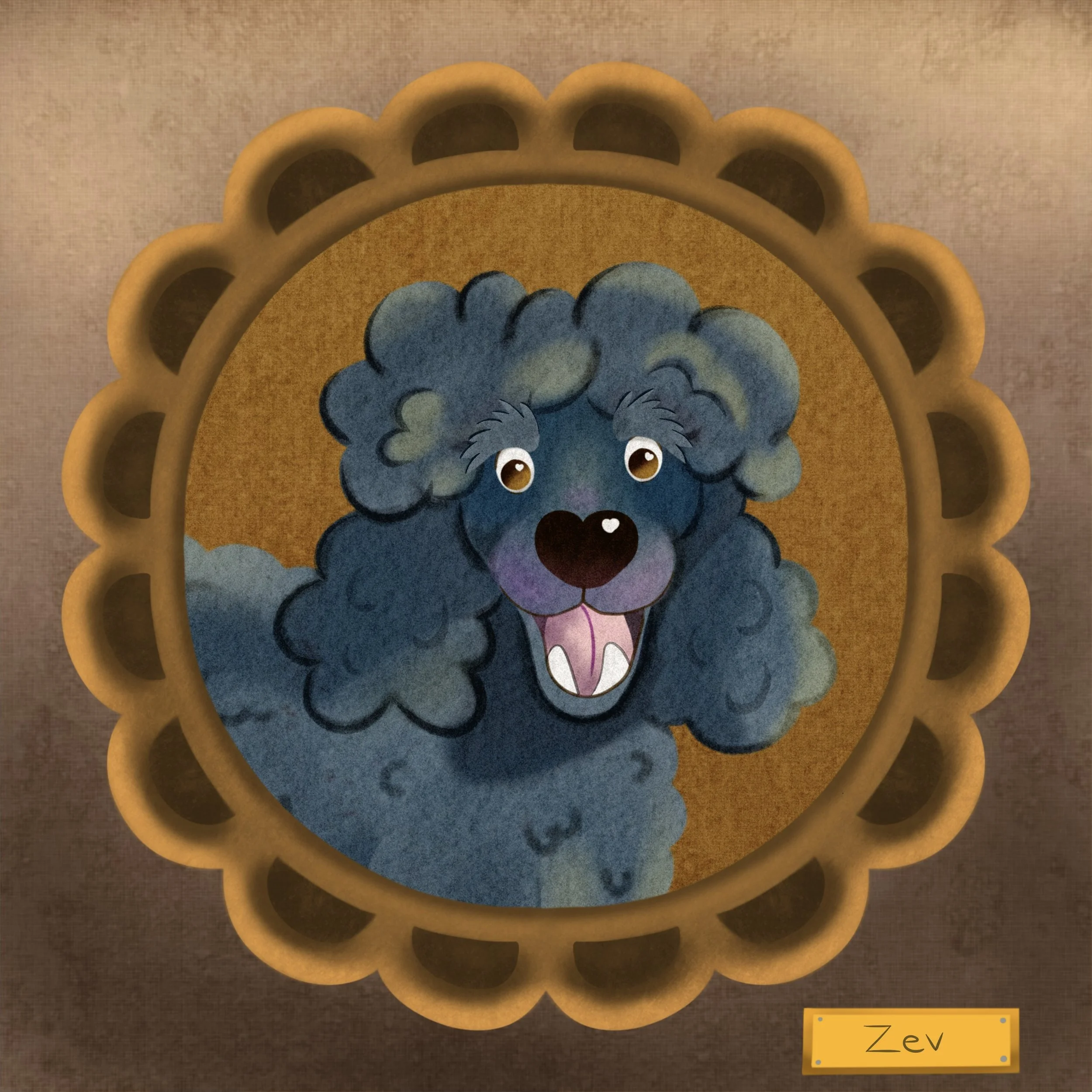
Zev
Cautiously curious, gentle giant Zev provides safety reminders to team members who are sensory seeking risk takers. His goofy antics and dramatic side-eye provide comic relieve, even in tense situations.
Risk Management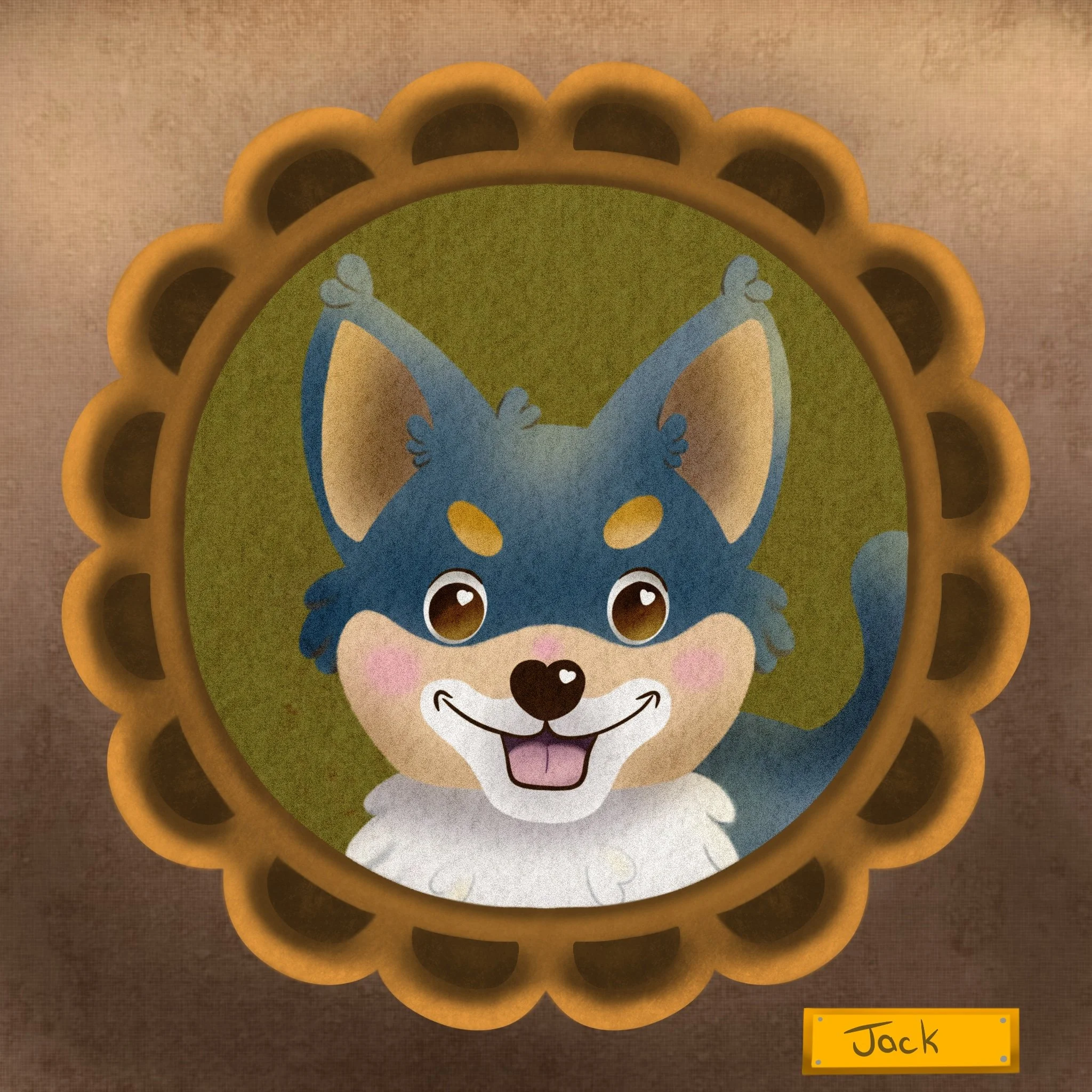
Jack
No puddle or pond is safe from Jack. From swamps to streams he is determined to inspect water quality and survey all who visit a water source. He is paw’s-on and nose in for all detailed investigations.
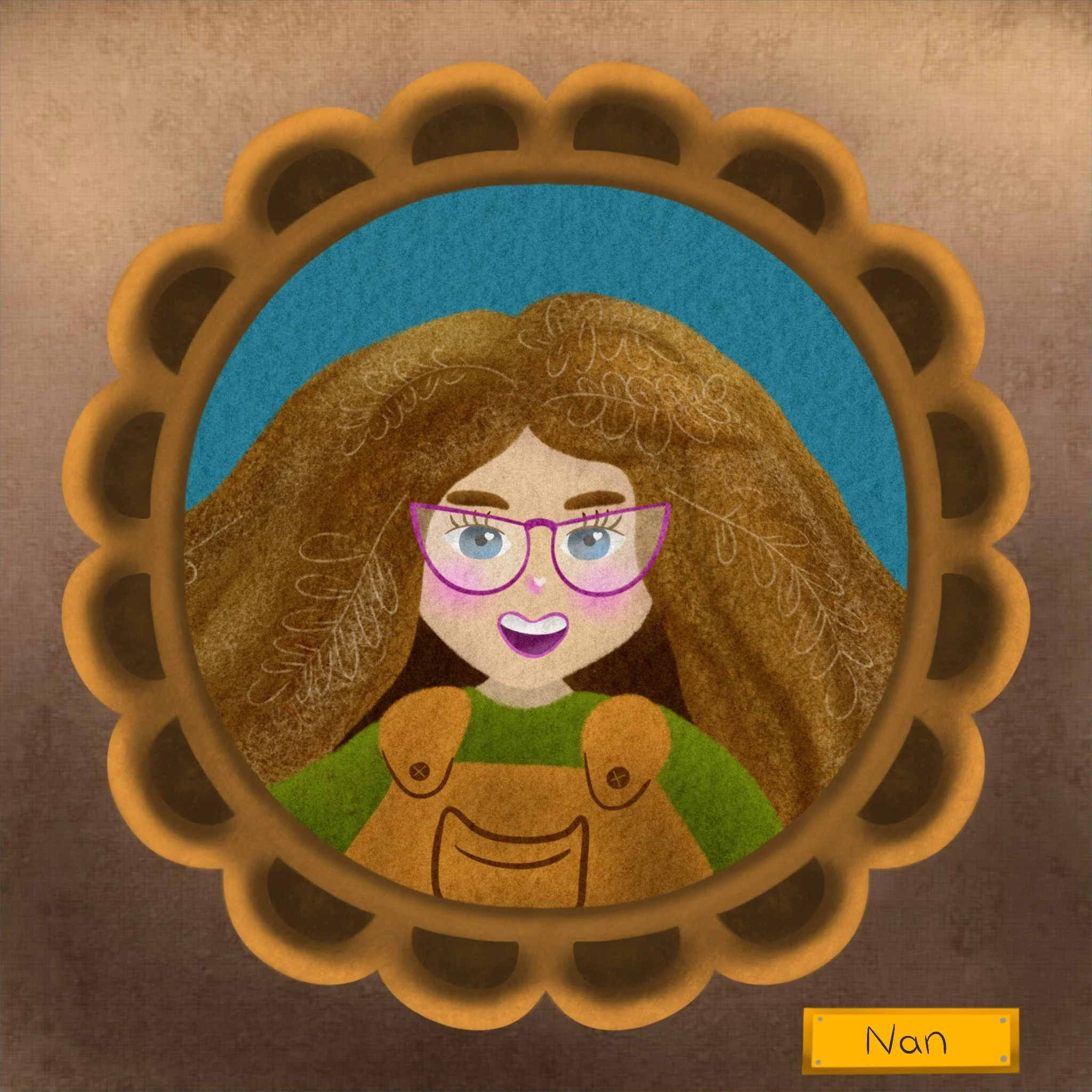
Water InspectorNan
Capturing the escapades of Captain, Jack, Nicholas and Zev, Nan translates the adventures into educational content and activities. Running trails almost as fast as a snail, she is excited to share her love for all things nature.
Communications and Curriculum Design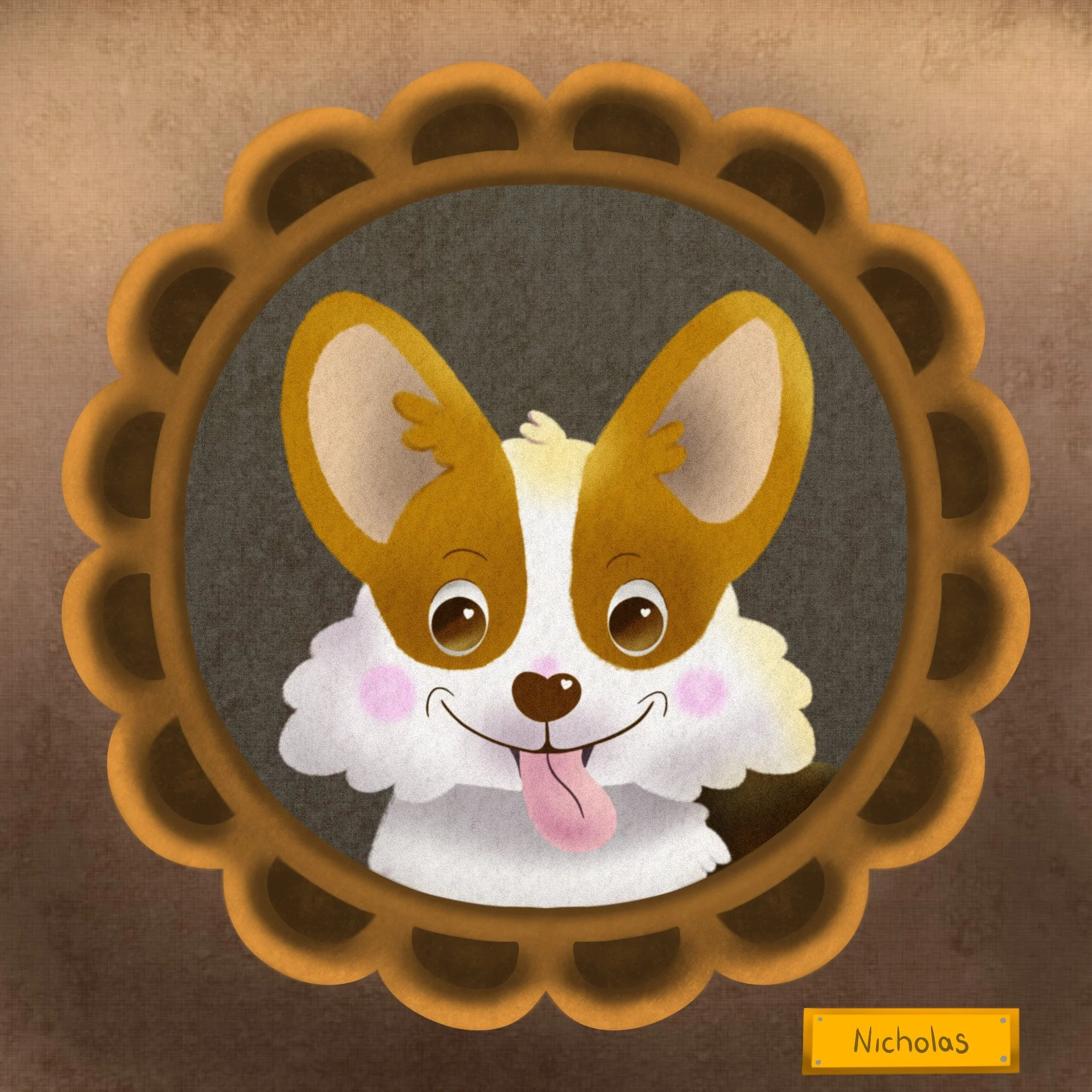
Nicholas
Digging deep into all matters, Nicholas focuses on trailside inventory. Ducking into thick brush and sorting through the leaf litter, he monitors animal activity, plant wellness, and biodiversity.
Biodiversity ExpertOrigin Story
TLDR
After a disabling event, and years out of the field, it was four furry friends who inspired Nan to return to forest school…
I was born a city-kid who refused to touch the grass. With an almost phobic fear of snakes, spiders, and flying stinging things, retrieving my bike from the old shed was a dramatic production. My grade 5 experience at the overnight outdoor education centre resulted in a call home to my parents because I refused to eat and developed a migraine. Although I have fond memories of marshmallows over the campfire, hours swimming in the lake, and catching turtles in the tin rowboat from our family retreats to a cottage… the same trips also managed to traumatize me. From fishing trips gone awry leaving hooks imbedded in my leg and back, to water snakes chasing me as I struggled to shore against restraining water-wings, and almost drowning to save my little brother (ok it was completely my fault he fell in the canal in the first place, but let’s not get tangled up in trivial details!).
I had the gift of finding trouble wherever I went in search of adventure: exploration of canals imprisoned by high fences (that didn’t stop me), mucking around in the swamp building entire cities out of cattails and bull rushes for the frogs (where I was explicitly prohibited from being), and being lulled by the wind in the upper branches of a white pine. These moments of freedom and complete belonging cemented my connection to the natural world in the small pockets tucked away in my urban neighbourhood.
A degree in psychology required additional education to do anything with it. When I learned people actually made a career from playing in the woods, I made an instant pivot. The post-graduate program for Outdoor Education I undertook led me through rivers and lakes, across the Canadian Shield, to deserts and over mountains. I went on to manage recreation and outdoor education programs, consulted and created programs at camps, outdoor education centres and schools: high-ropes and rock, canoe and kayak, multi-day backpacking trips, leadership training, and environmental education. From preschoolers to seniors, and traditionally underserved groups, I developed a specialization in inclusion.
I thought my dreams of having my own centre were unattainable. I not only lacked financial resources, I struggled with chronic illness. Every day for three months I drove by a dilapidated barn with a ragtag assortment of livestock that didn’t seem to mind their underwhelming (if not hazardous) accommodations. At the time, I was working at a beautiful facility, with gardens, animals, fields, and forests. The contrast between the two properties was astonishing. There was no way I could afford a place like the one I was working at, however seeing the rundown farm everyday opened my mind to the possibility of starting small and growing.
Shortly after midwifing my dream into being, a student attended program with influenza. The entire program class caught it, and I was hospitalized in critical care. All the parents had signed a public health contract committing to refrain from sending their child to the program sick. I was out of commission for several months trying to recover. I relaunched and was living the dream! Up to my elbows in manure, galivanting through the woods to the outdoor classroom, facilitating students who weren’t built for conventional school programs. As the school year wore on, the symptoms that refused to resolve from the influenza incident, became more and more disabling - until I could no longer teach in the field. I lost everything. Everything.
It took several years to find myself after the devastating loss. To even consider dreaming a new dream. It was only after joining my own motley crew that I rediscovered the insight I had all those years before while driving by the dilapidated barn. The dogs reminded me of the magic and sense of belonging I feel in natural spaces. The companionship and comedy relief they shared as they encouraged me to explore again, filled me with stories and a desire to teach again. I am still too disabled to teach in the field, but I can share my knowledge and experience with urban teachers to help make outdoor education accessible to everyone on a regular basis.
As a neurodivergent educator, my path has been somewhat eclectic, and anything but a straight line. There is still so much to see, do and learn. Come along with us as we explore field and forest, let your inner-wild out!
Stay wild,
Nan
Commitment To Truth Reconciliation
The Urban Forest School operates within an anti-oppressive model, acknowledging how intersectionality plays a significant role in how colonialism, patriarchy and capitalism impact a person. We are continually learning and growing to reduce and repair harm committed systemically and individually.
The Urban Forest School is dedicated to Truth and Reconciliation through connection, education and support for Land Back. We recognize the historic colonial pursuits of Turtle Island continue to cause harm to First Nations, Metis and Inuit, while benefiting settlers. We acknowledge the consequences of duplicitous treaties, stolen land and forced assimilation is evident across sectors and communities reinforcing systemic and institutionalized racism. This is observable through the disproportionate rates of detainment and police brutality of Indigenous youth and adults, Missing and Murdered Indigenous Women and Girls (MMIWG), and Indigenous children and youth removed from their families and communities.
We remain committed to providing tools and resources for educators and students that raise awareness of these issues as well as pathways to reconciliation, repair and rematriation. We strongly believe supporting a connection between children and the eco-system they are a part of results in a generation that prioritizes biodiversity, inclusion and Indigenous ways of knowing.
We are grateful to live in the Traditional Territories of Haudenosaunee, Attiwonderonk (Neutral), Mississauga, Mississaugas of the Credit First Nation, and Anishinabewaki ᐊᓂᔑᓈᐯᐗᑭ, Treaty 13A.
Learn More
Traditional Territory interactive Map
Environmental Justice and Indigenous Sovereignty
Connect with First Nations communities, businesses, and organizations
Truth and Reconciliation Canada 94 Calls to Action
UNDRIP (United Nations Declaration on the Rights of Indigenous Peoples)
Teaching Resources
Have Questions? Let’s Talk
Send us a quick note and let’s figure things out together—we’re excited to help you reach your teaching goals.